
Himalayan Salt vs Sea Salt: Differences, Benefits & Which Is Better?
Introduction
As more people become conscious of the ingredients they use in everyday cooking, the debate between sea salt and Himalayan salt has gained popularity. Since both sea salt and Himalayan salt are marketed as natural substitutes for ordinary table salt, many people are curious about which is superior. Despite their similar appearance, these salts differ in their origins, manufacturing processes, tastes, and culinary applications. To help you grasp the true distinctions between sea salt and Himalayan salt, this article provides a straightforward explanation. To assist you in selecting the best choice for your requirements, we will examine their origin, processing, flavor, and health claims.
What Is a Himalayan Salt?
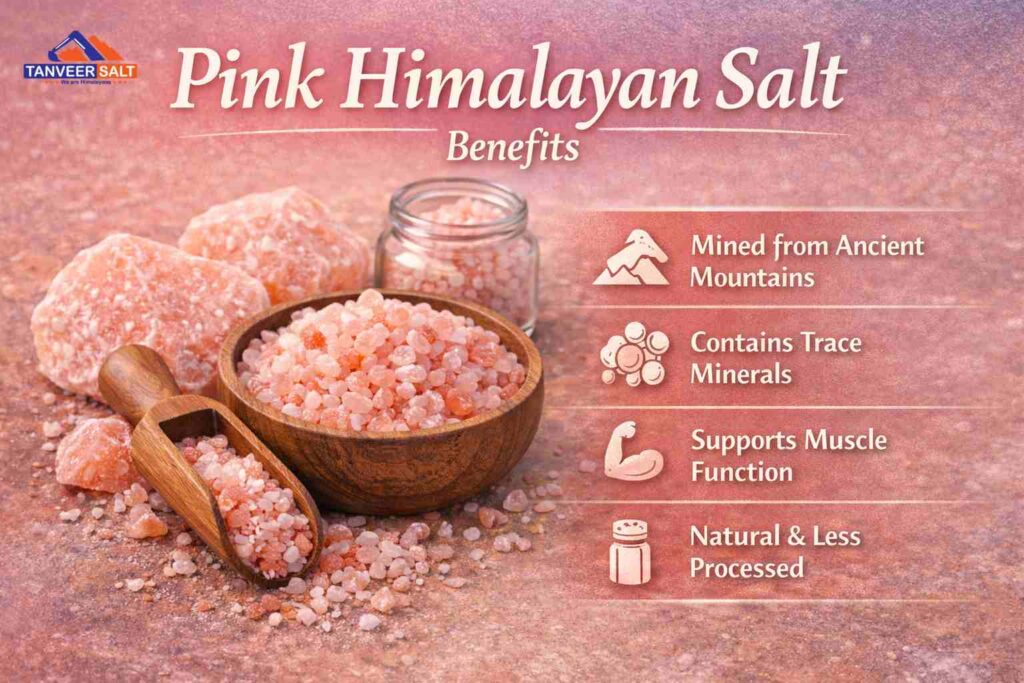
To understand what Himalayan salt is, consider its geological history and natural formation. Himalayan salt, also known as Himalayan rock salt, is derived from ancient salt deposits in Pakistan’s Salt Range mountains, which formed millions of years ago as prehistoric seas evaporated. If you’re wondering where Himalayan salt comes from, it’s mined underground, not collected from modern bodies of water. Trace minerals, particularly iron oxide, as well as small amounts of calcium, potassium, and magnesium, contribute to its distinctive pink color. The mining process involves traditional rock salt mining, in which large salt rocks are extracted, cleaned, crushed, and minimally processed while retaining their natural structure
What Is Sea Salt?
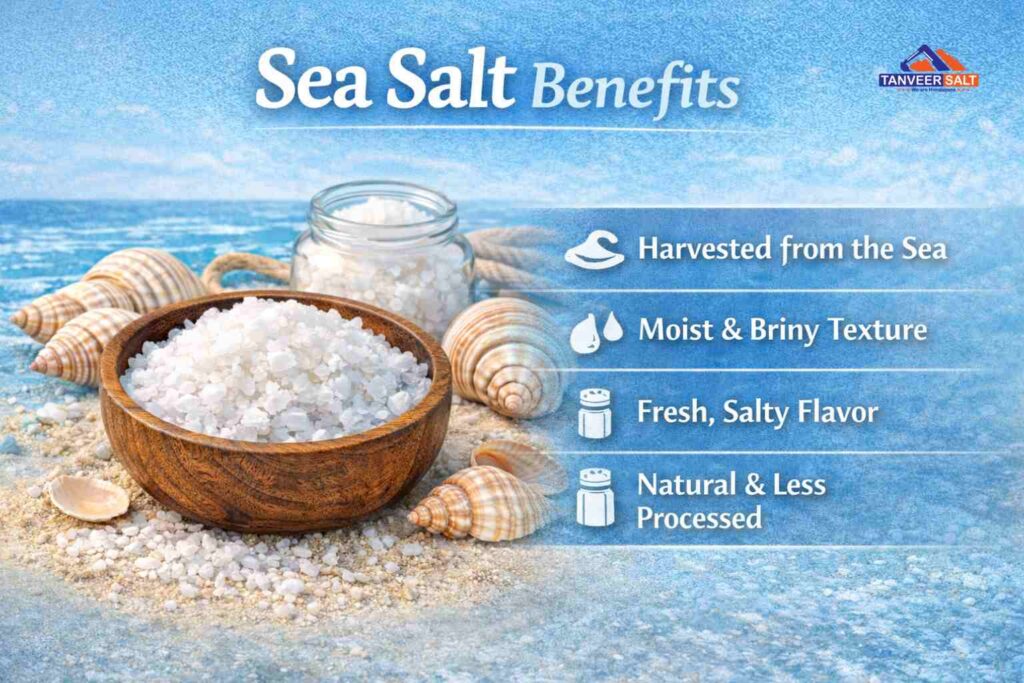
Sea salt is a natural type of salt that comes from ocean water and seawater. Many people ask what sea salt is, and the answer is simple. Sea salt is made by drying seawater. This process is called evaporation. The water slowly disappears because of sunlight or heat, and the salt is left behind. This explains how salt is made in a natural way. Sea salt comes from different oceans and seas around the world. Some well-known types include Mediterranean Sea salt, Celtic Sea salt, and Dead Sea salt. Sea salt usually has a clean, salty taste and can have different textures, from fine to flaky. Because it is less processed than table salt, many people like to use sea salt everyday cooking and seasoning food
Himalayan Salt vs Sea Salt – Key Differences
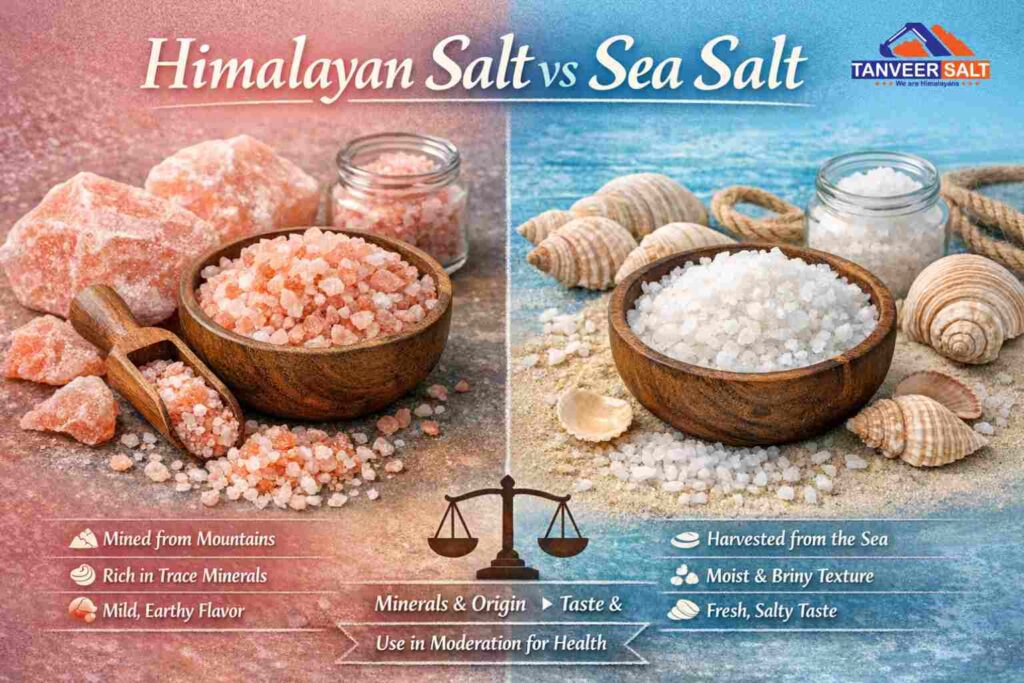
When comparing Himalayan salt and sea salt, the distinction is clear. Himalayan salt is derived from underground rocks. Sea salt is made from seawater that has been sun-dried or heated. Himalayan salt is extracted from mines with minimal processing. Sea salt is produced by drying water and may still contain moisture. Pink salt and sea salt differ in color. Himalayan salt is pink due to its iron content. Sea salt is typically white or light grey. They also taste different. Himalayan salt has a mild, earthy flavor. Sea salt tastes fresh and salty, just like the ocean. Their texture is also not identical. Himalayan salt is dry and hard.
Himalayan Pink Salt vs Sea Salt for Health
Many people think natural salts like Himalayan salt or sea salt are much healthier than regular table salt. They believe these salts have more good minerals. Both salts do have minerals like magnesium, calcium, and potassium. But the amount is very small. Salt does not give your body many vitamins or minerals. The main part of both Himalayan salt and sea salt is sodium chloride, which is the same as table salt. Sodium is important for your health. It helps your muscles work, keeps your nerves healthy, and keeps you hydrated. But eating too much salt is not good. Too much sodium can increase blood pressure and cause heart problems. The type of salt does not matter much for your health. What matters most is using salt in moderation. Small amounts of salt are safe when cooking or eating. Too much salt can be harmful. Even natural salts like Himalayan or sea salt are not healthy if you eat a lot. In simple words, salt is safe and useful only when used in small amounts, no matter which type you choose.
Taste and Cooking Uses
When selecting salt, taste and application in cooking are more important than minerals. Himalayan salt has a mild, soft flavor. Many chefs use it in upscale kitchens. Sea salt has a stronger, salty flavor. Sea salt is also useful for finishing dishes because it is flaky and crunchy. Using the correct salt for the right purpose improves the flavor of food. Fine salt is ideal for cooking. For food toppings, coarse or flaky salt works best. This way, the food tastes good without being too salty.
Himalayan Salt vs Table Salt
When we compare Himalayan salt to table salt, there are significant differences. Table salt is heavily processed. It is thoroughly cleaned, and most of the natural minerals have been removed. Then Iodine is added. Anti-caking chemicals are also added to prevent clumping. Himalayan salt is different. It is not heavily processed and usually contains no added chemicals. This is why it’s called natural. The taste of the salts is also distinct. Table salt has a strong, sharp taste that is consistent across all grains. Himalayan salt has a softer, milder flavor. The crystals of Himalayan salt are also larger and vary in size. Table salt contains tiny, uniform grains. Both salts have been used. Iodized table salt helps to prevent iodine deficiency. This is crucial for your health. Himalayan salt is most used in cooking because of its natural appearance and appealing presentation. It was chosen because it is visually appealing and imparts a mild flavor to food. Although it contains some minerals, it is not significantly healthier than table salt. People prefer it for cooking style and appearance over nutrition. Simply put, table salt is good for your health because it contains iodine, whereas Himalayan salt improves your taste and appearance. Both are safe to use if used in moderation.
Other Popular Salt Comparisons
Comparing salt helps us see how different they are. Rock salt and sea salt are different in where they come from and how they feel. Rock salt comes from mine. Sea salt comes from dried seawater. Celtic salt and Himalayan salt are also different. Celtic salt is a little wet and tastes like the sea. Himalayan salt is dry and pink. Black salt and pink salt have different tastes. Black salt has a strong sulfur flavor. Pink salt has a mild, simple taste. Himalayan salt and kosher salt are different in size and use. Kosher salt has big grains that are easy to sprinkle. These examples show that choosing salt is mostly about how you use it, not about your health.
Which Is Better: Sea Salt or Himalayan Salt?
It’s up to you to decide whether sea salt or Himalayan salt is better. It depends on your preferences and cooking style. Himalayan salt is ideal for those who prefer natural salts, a beautiful color, and a mild flavor. Sea salt is ideal for everyday cooking. It tastes good and is easy to find. Neither salt is significantly healthier than the other. What really matters to your health is the amount of salt you consume. It doesn’t matter whether salt comes from the sea or the mountains.
FAQs:
Is Himalayan salt sea salt?
No, Himalayan salt is not sea salt. It is mined from ancient underground salt deposits in Pakistan that were formed from prehistoric seas millions of years ago, not modern oceans.
Is pink Himalayan salt the same as sea salt?
No, pink Himalayan salt and sea salt are different. They vary in origin, processing methods, mineral traces, and appearance, even though both are natural salts
Which salt has more minerals?
Himalayan salt contains slightly more trace minerals like iron and magnesium, but the amounts are very small and do not offer meaningful nutritional benefits.
What is the healthiest salt to use?
There is no single healthiest salt. All salts are primarily sodium chloride, and the healthiest choice is using any salt in moderation as part of a balanced diet.
Conclusion
The primary distinctions between Himalayan salt and sea salt are their origins, production methods, taste, texture, and appearance. Himalayan salt is derived from old rocks. It’s pink and has a mild flavor. Sea salt is derived from dried seawater. It tastes fresh and can be used for a variety of purposes. Knowing the differences allows you to use salt more effectively in cooking and in everyday life. Using too much salt, regardless of the type, is not recommended. The most important thing is to use salt moderately.